ISOLAS LLP Partner, the Hon. Neil F Costa, acted for the Royal Gibraltar Police (the ‘RGP’), as one of the interested persons, in the Coroner’s Inquest into the deaths at sea of Mohamed Abdeslam Ahmed and Mustafa Dris Mohamed, which took place between Monday 1 and Friday 19 December 2025 (the ‘Inquest’). The Inquest was concerned with establishing the facts surrounding the deaths of the two men following a collision at sea with an RGP interceptor vessel. HM Deputy Coroner (the ‘Coroner’) empanelled a jury to hear the evidence and arrive at a verdict.
The four principal statutory questions the Inquest examined were: who the deceased were and how, when, and where the deceased came by their deaths. The Coroner ruled that the Inquest would additionally consider the broader circumstances as to how the deceased came by their deaths. An inquest that examines the wider circumstances of a person’s death when state actors are involved is described as an Article 2 inquest referring to the protection of the right to life enshrined in article 2 of the European Convention of Human Rights. At the start of proceedings, the Coroner directed the Inquest jury to consider: (a) the adequacy of the RGP’s training of its maritime officers; (b) the adequacy of the RGP’s standard operating instructions to its Marine Section; (c) the conduct of the former RGP officers during the pursuit; and (d) the conduct of the said officers following the collision at sea.
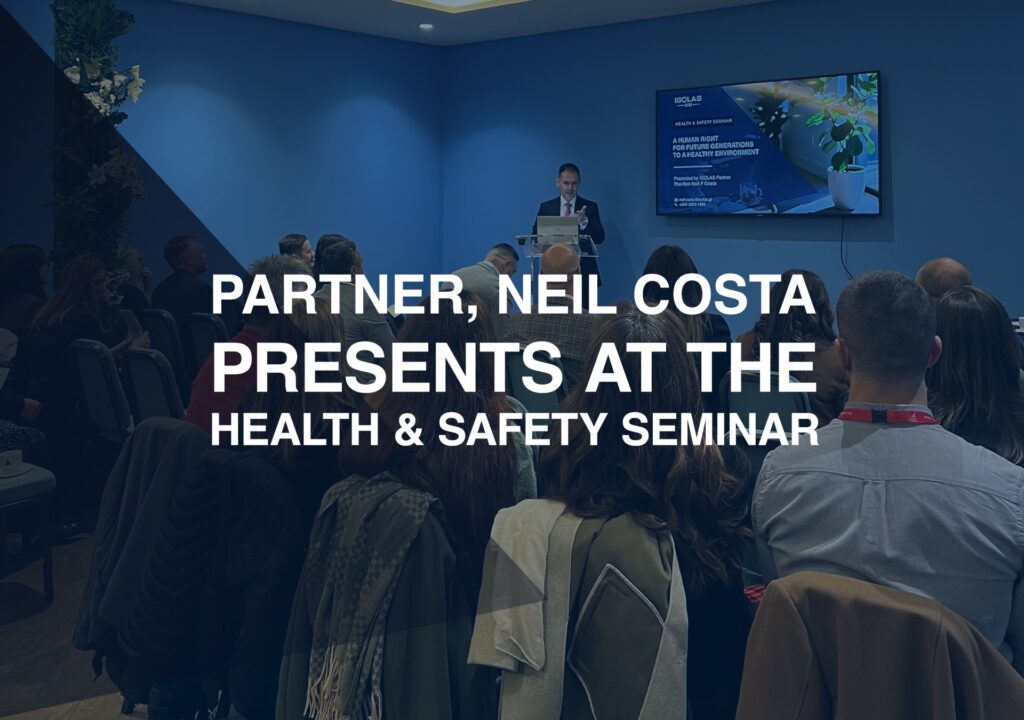
Neil represented the RGP as senior Counsel throughout the Inquest, assisted by ISOLAS LLP Associate, Ms Louise Anne Turnock, which heard evidence and legal submissions for almost three weeks. Neil extensively and meticulously examined different witnesses, thoroughly testing the evidence in light of the principal statutory, and broader, questions that the jury had been tasked to assess. Given the evidence, Neil successfully advanced, in legal submissions, that the two expressly articulated questions relating to the RGP should be removed from the list of issues that the Inquest jury should answer. Neil submitted that the preponderance of evidence meant that there could be no doubt that the RGP’s training and standard operating instructions to its maritime officers was adequate.
Upon applications brought by both Counsel for the former RGP officers involved in the fatal collision at sea, and supported in submissions by Neil, the Coroner decided to remove the verdict of unlawful killing from the jury; again, based on the evidence heard in Court. Following the removal of the unlawful killing conclusion, the jury were directed to enter verdicts of accidental deaths, which the jury entered along with a narrative as to the broader circumstances leading to the fatalities as well as a separate rider of recommendations. Inter alia, the jury found that the former RGP officer piloting the RGP vessel had acted in accordance with the RGP’s training and was not at fault for the collision itself. Other than on the discrete questions on the use of navigational equipment on vessels and refresher coxswain training taking place every few years (as opposed to the presently mandated 5 years), the jury did not make any other recommendations as to the training of the RGP maritime officers nor as to the RGP standard operating procedures to its Marine Section.
Subject to a judicial review by the families of the deceased, the verdict of this Inquest should mark the end of a long and complex set of proceedings that have spanned over five years and in respect of which Neil has represented the RGP throughout.